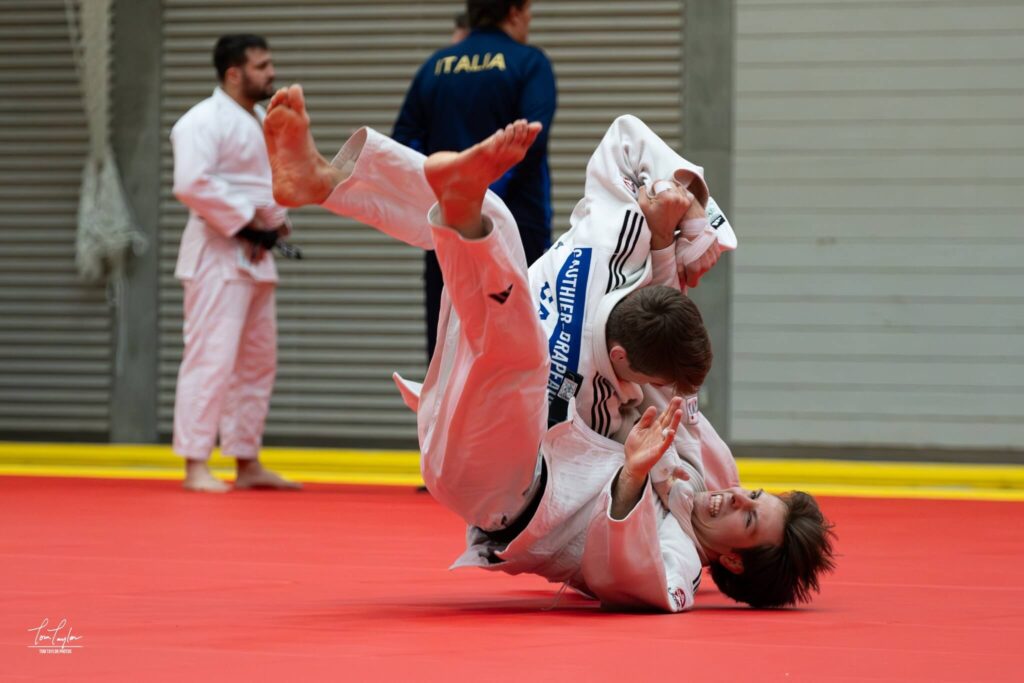
You injure yourself during judo training. Your insurance covers physiotherapy, but a good friend recommends osteopathy.
You search online. They tell you, “Osteo treats the body as a whole, physio does exercises.” What does that mean to you? How do you choose the right specialist?
Let’s look at it together, without selling you osteopathy.
About me
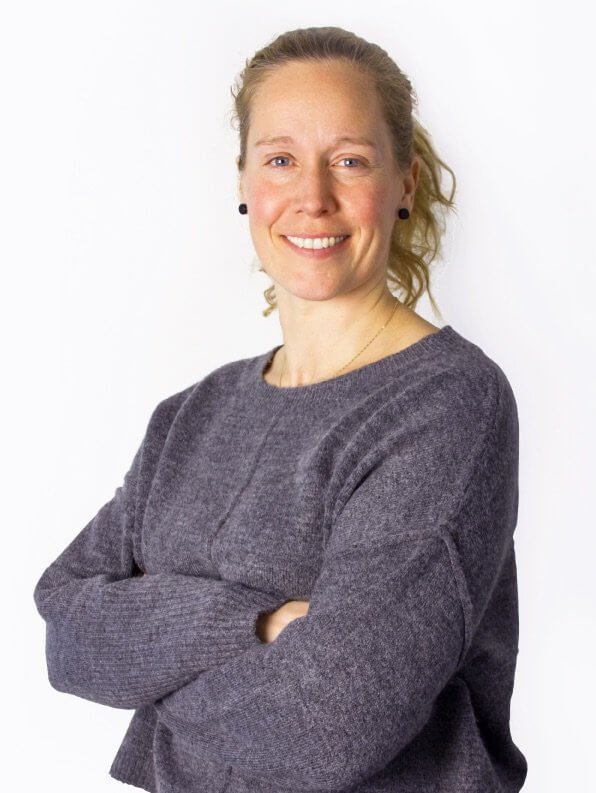
I’m an osteopath and CAT(C)-certified athletic therapist. I’ve been coaching athletes for over 20 years, including at the Olympics. Here, I team up with physiotherapist and kinesiologist Jimena Castaneda of Physio Théra Plus to help you understand the roles and responsibilities of physios and osteos.
Read this article, or get to the point:
What you need to know :
Osteopathy and physiotherapy: two distinct professions and two different scopes of practice
Before talking about techniques andapproaches, let’s first understand the professional context.
Physiotherapy: a regulated profession
Physiotherapists in Quebec are members of theOrdre professionnel de la physiothérapie du Québec (OPPQ). This professional order exists to protect the public by establishing rigorous standards of practice.

Although university training is standardized, each physiotherapist then chooses his or her own further training. Two physiotherapists may therefore have very different approaches to the same condition.
– Jimena Castaneda, pht
What this means for you:
Osteopathy: a profession on the road to recognition
Osteopathy in Quebec is not yet regulated by a professional order, although steps have been underway for several years.
What this means for you:
The absence of regulation does not mean that osteopaths are incompetent. Far from it! But be careful when choosing your osteopath.
Summary
Physiotherapy is a recognized profession regulated by a professional order, whereas osteopathy has not yet obtained such recognition.
Differences :
The osteopathic approach: start with the symptom and work back to the source of the problem
When you consult me for osteopathy on the Plateau-Mont-Royal, my assessment begins with a detailed analysis of your medical and sports history. I also assess your overall posture, joint mobility and tissue health.
My goal? Identify the chains of compensation that could explain your injury.
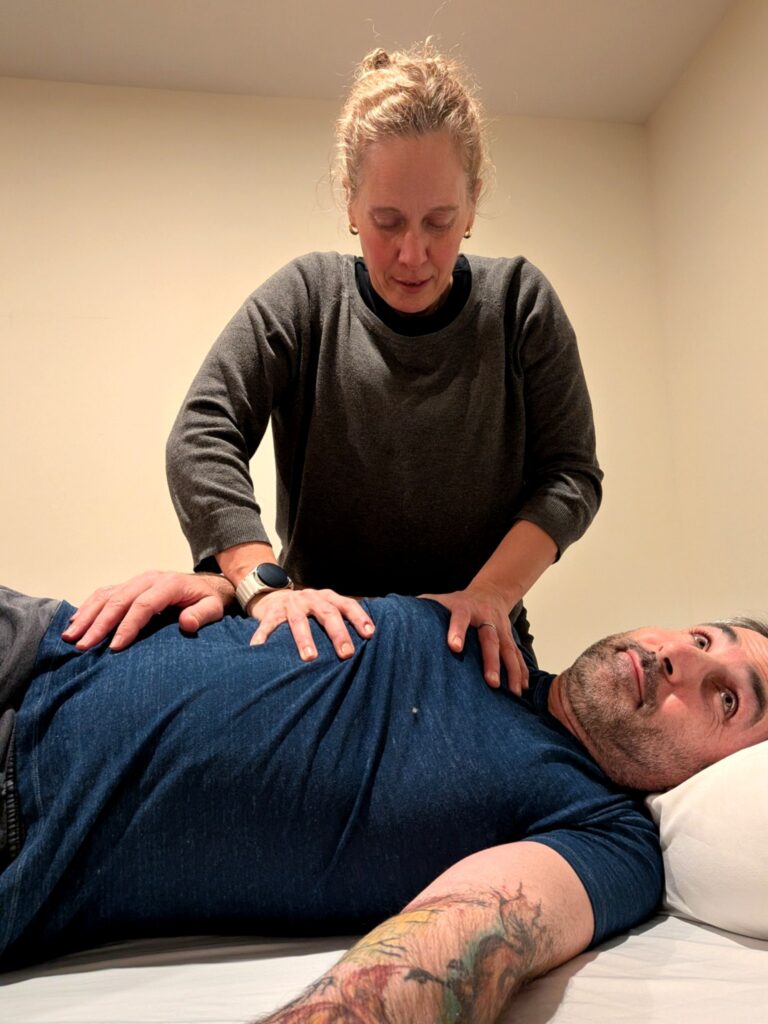
Example of a judoka
A judoka consults us for recurrent pain in his right shoulder. This pain always appears after his randoris (fights).
I’ll be looking at :
- His shoulder
- Thoracic cage: does it lose mobility from repeated falls?
- His pelvis: could an old, poorly healed ankle sprain create compensation that goes all the way back to the shoulder?
- His breathing: does the stress of the competition create tension in his diaphragm that limits his thoracic amplitude?
- And its movement patterns during projections.
Osteopathy’s strengths and limitations
| Limits | Forces |
|---|---|
| Osteo may be less effective for acute injuries requiring intensive muscle re-education. | Osteopaths take a systemic approach, often identifying unsuspected underlying causes. |
| The lack of standardization means that two osteopaths may have very different approaches to the same problem. |
The physiotherapy approach: precise diagnosis and active rehabilitation
Physiotherapists use a diagnostic approach based on clinical examination and scientific evidence.
A good physiotherapist doesn’t just look at the injured area. The assessment usually remains in the upper or lower quadrant of the body, but proximal and distal joints are examined to identify mechanical contributions to the injury.
– Jimena Castaneda, pht
The typical process:
- Detailed assessment: injury history, injury mechanism, standardized orthopedic tests.
- Differential diagnosis: eliminate serious pathologies, precisely identify affected structures.
- Progressive treatment plan: set measurable goals and a realistic timetable.
- Prescription of specific exercises: strengthening, proprioception, return to sport.
Same example as the judoka, but with a physiotherapy approach
The physiotherapist will test the rotator cuff strength of the joduka by performing specific tests. The physiotherapist will then assess the shoulder’s range of motion (passive and active). He’ll determine whether it’s tendinopathy, instability or subacromial impingement.
Next, the therapist will prescribe progressive strengthening exercises adapted to the demands of judo. Then, the physio will gradually integrate projection movements to prepare for the return to the tatami.
Physiotherapy’s strengths and limitations
| FORCES | LIMITS |
|---|---|
| Scientifically proven rehabilitation protocols | Sessions often include time for supervised exercises, which can reduce manual therapy time. |
| Clear, measurable progress | Not all physios specialize in sports medicine. Look for an athletic therapist or specialist. |
| Excellent for post-surgical or post-traumatic rehabilitation | |
Summary
Osteopaths approach problems in a problem-solving mode. They seek to establish a cause-and-effect relationship. Physiotherapists, on the other hand, adopt the methodology prescribed by their professional order.
Techniques :
What an osteopath does
Osteopaths mainly use manual techniques.
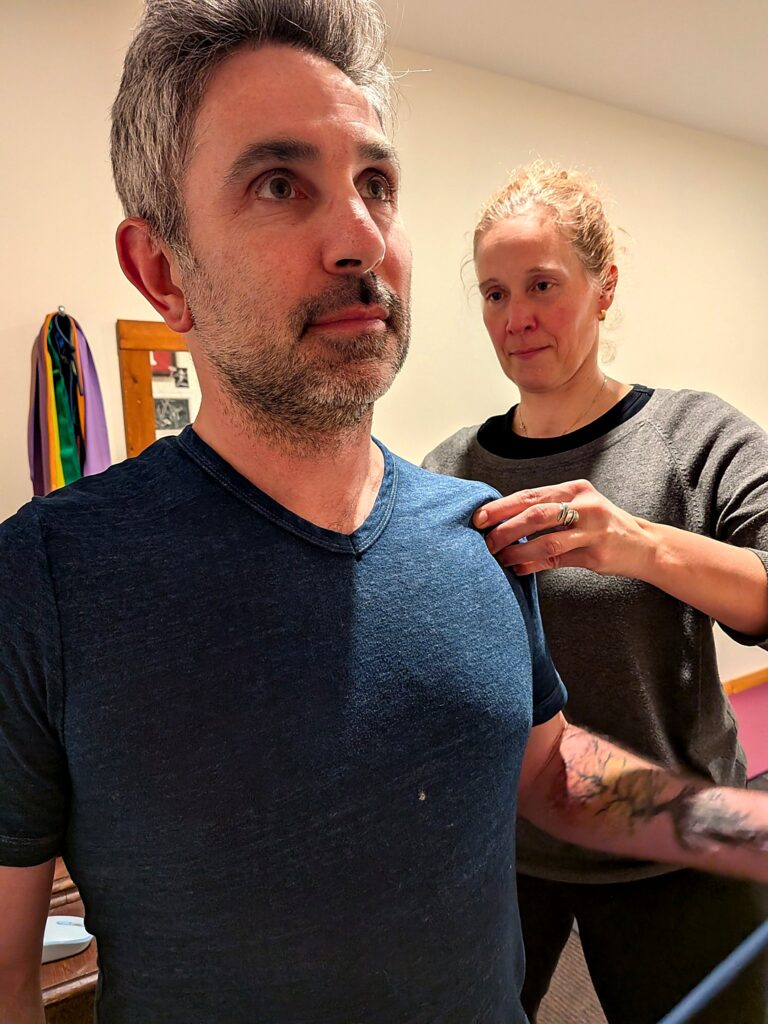
- Gentle joint mobilization
- Precise joint work with light oscillations or using the body in tension chains
- Release of muscular and fascial tension
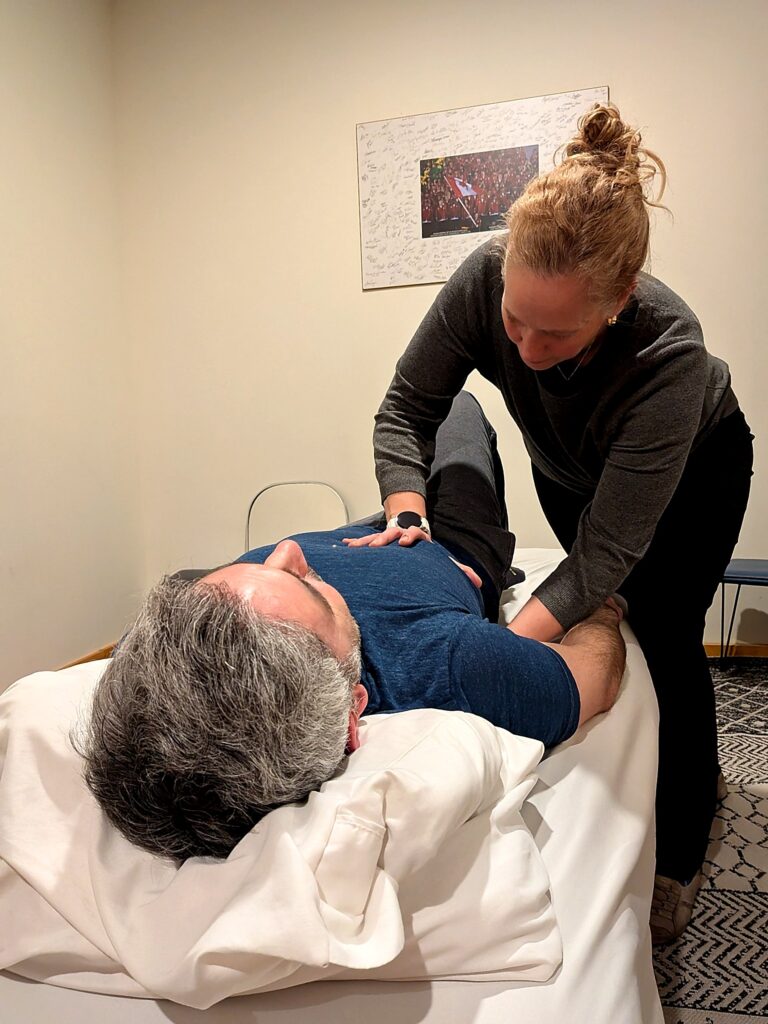
- Mobilization of internal organs to improve motility
- Release of digestive system tensions that can affect posture
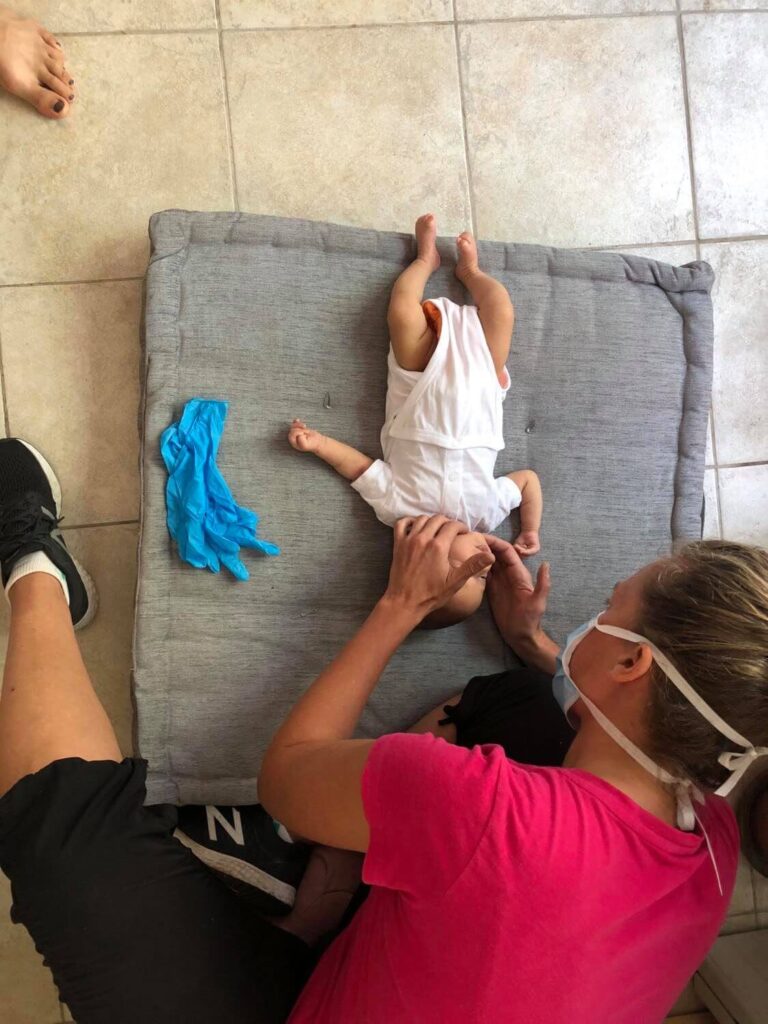
- Very gentle approach to the skull and sacrum
- Work on the autonomic nervous system
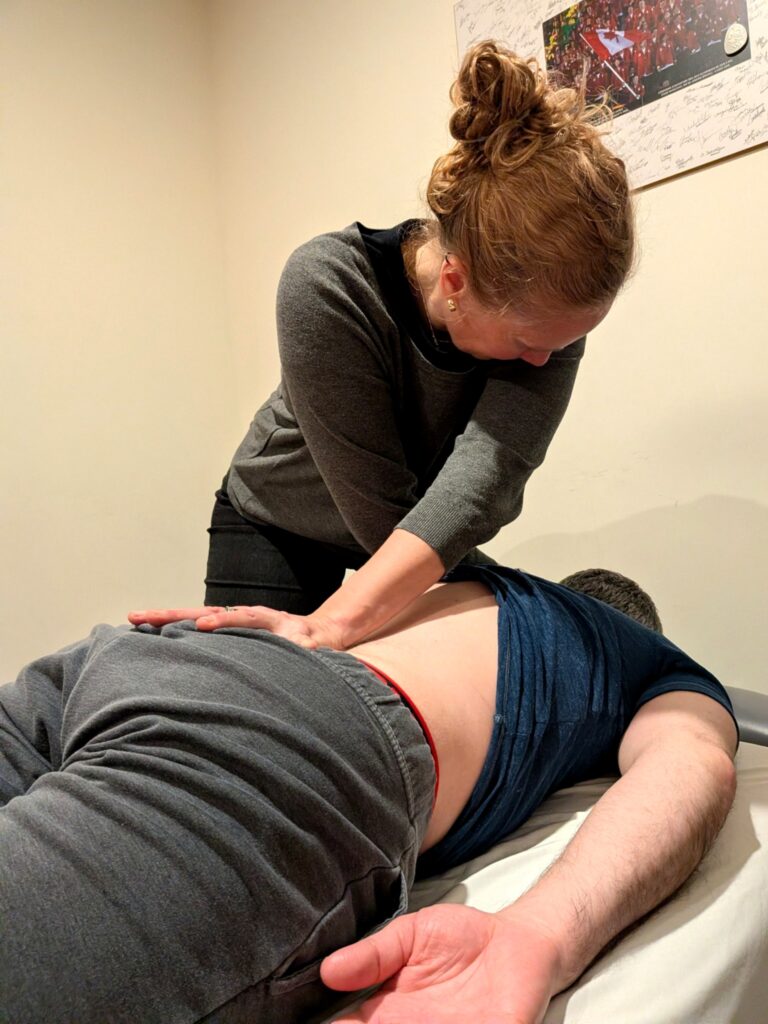
- Relaxation of tense muscle chains
- In-depth work on fascias
What a physiotherapist does
Physiotherapists have a diverse toolbox.
- Joint mobilization
- Manipulations (yes, physios can also “crack”, depending on their skill level)
- Soft tissue massage therapy
- Myofascial release
- Progressive muscle strengthening
- Proprioception and balance exercises
- Specific stretching
- Functional rehabilitation
- Electrotherapy (TENS, ultrasound)
- Application of heat or ice
- Therapeutic taping
- Physiotherapy puncture with dry needles (for certain trained physios)
- Advice on pain management
- Changes in daily activities
- Recurrence prevention
- Gradual return to sport
Summary
Physios use different means to work on a target area. Osteopaths, on the other hand, use their hands to realign the body’s functional chains. On the other hand, both recommend exercises to be done at home.
Who to consult for what?
| Consult a physiotherapist if… | Consult an osteopath if… |
|---|---|
| You need guaranteed insurance coverage (CNESST, SAAQ) | Chronic or recurring pain with no clear diagnosis |
| You are pregnant or postpartum with specific problems (urinary incontinence, pelvic pain, diastasis of the rectus abdominis, pelvic floor reeducation). | Your injury seems to be related to compensations elsewhere (e.g. left knee pain since a right ankle sprain 6 months ago). |
| You have suffered a concussion | You have a feeling that your body is trapped. |
| You take part in combat sports with repeated impacts (judo, jiu-jitsu, boxing, MMA) – frequent falls and projections that create cumulative micro-traumas. | |
| Consult physiotherapy | Make an osteopathic appointment |
Here, I’d like to explain the list drawn up above.
There are some grey areas, but they are not mentioned to help you know clearly when to see a phyiso or an osteo. Nor is there any mention of the problems that can be seen in athletic therapy.
Physio: example
You injure your knee during a soccer match.
You need a precise diagnosis (is it an ACL sprain? A meniscus sprain?), a structured rehabilitation protocol and specific exercises to regain your strength and stability.
Osteo: example
You’re a cyclist and your lower back hurts during long rides.
You’ve already seen a physio who’s given you core-strengthening exercises, which help a little, but the pain returns.
An osteopath may identify that your rib cage lacks mobility due to an old rib fracture, forcing your lower back to compensate.
Situations where the two approaches complement each other well
Sometimes, a combination of physiotherapy (treatment and recovery from injury) and osteopathy (identification and correction of root causes) is recommended.
Here are a few examples.
Recovering from a complex injury
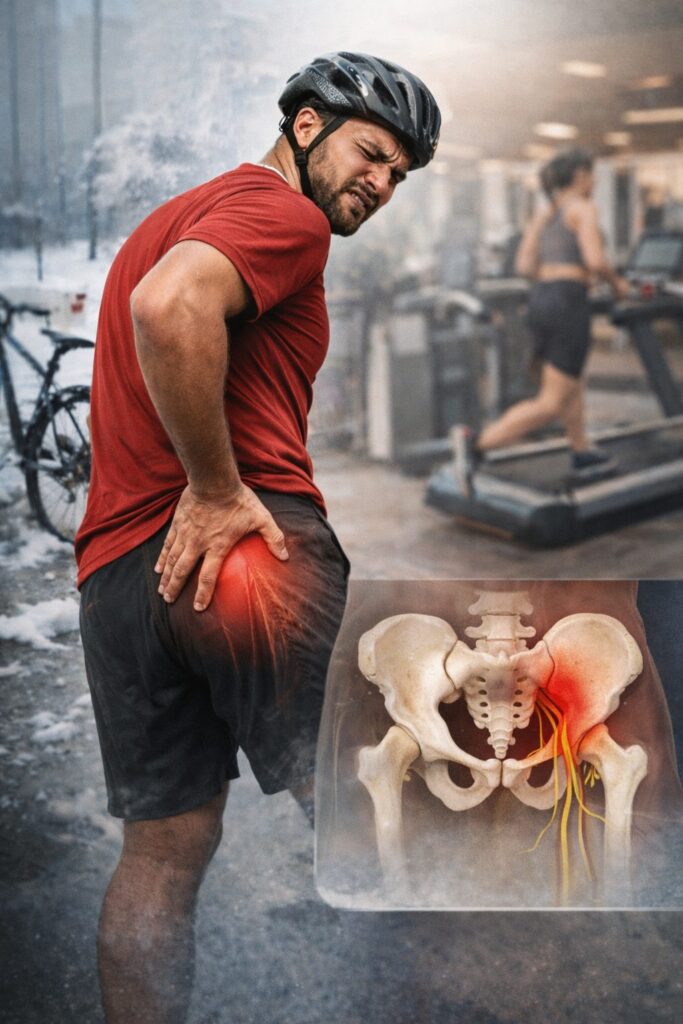
Example – After several months of a rather sedentary winter, Alex took up cycling again in the spring. He adds a few running outings to “get back into shape”.
Soon, a deep pain appeared under the buttock, especially when sitting and climbing. He stretched, reduced his training a little… but the pain persisted and returned as soon as he increased the intensity.
It’s not a simple muscle injury, but a more complex problem linked to load, tendon and nerve tension.
Managing persistent pain
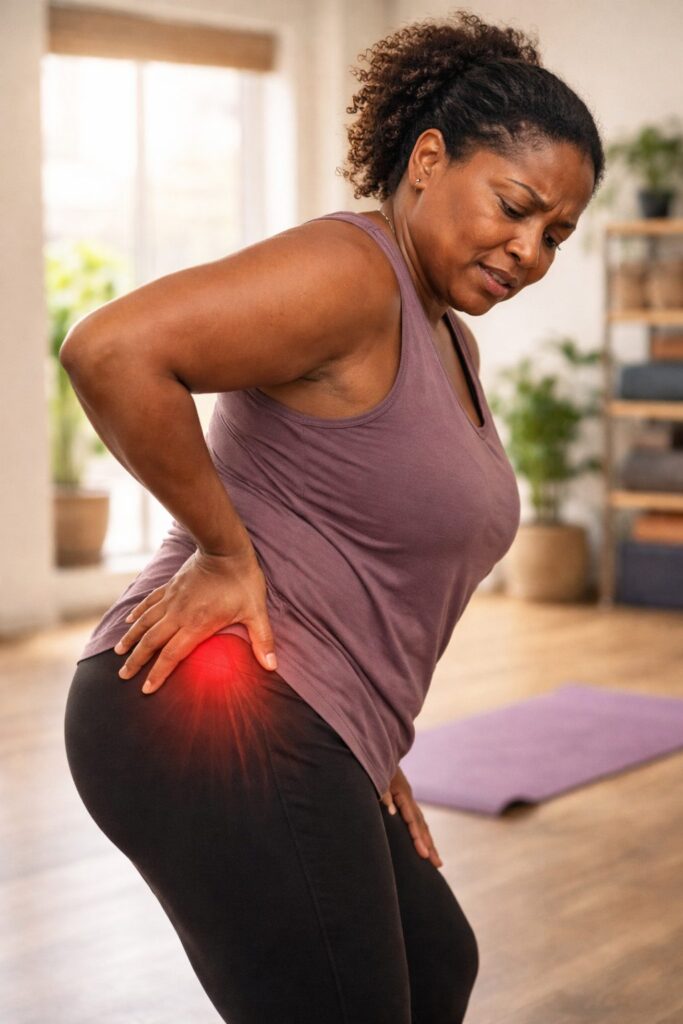
Example – Sophie works standing up most of the day and practices yoga irregularly.
For almost a year, she has been experiencing diffuse hip and buttock pain, sometimes accompanied by lumbar stiffness. The pain has no clear trigger and persists despite rest. She has stopped certain postures and now avoids opening movements for fear of aggravating the situation.
If Sophie undergoes physiotherapy for 6-8 weeks with limited results, an osteopathic consultation can provide a different perspective.
Conversely, if osteopathy relieves Sophie temporarily but the pain returns, physiotherapy can stabilize the gains with targeted exercises.
Sports preparation and recovery
Karim plays soccer once a week without really warming up or preparing. He accumulates stiffness in his hips and lower back, especially in winter, but keeps going as long as “it goes”.
Scenario 1: Karim is injured during a match (sprained ankle)
→ Athletic therapy
I manage the acute injury: assessment, soft-tissue treatment, taping, progressive rehabilitation protocol, strengthening exercises and safe return to play.
Scenario 2: A few weeks after his recovery, Karim notices that his opposite knee is starting to hurt.
→ Osteopathy
I can see that Karim has been compensating since his sprain: he puts more weight on his “healthy” leg, which creates chain tension (hip, pelvis, opposite knee).
The holistic approach rebalances the entire system to prevent compensation from becoming a new injury.
Scenario 3: Karim is injured at work(CNESST)
→ Physiotherapy
Only physio is covered by CNESST.
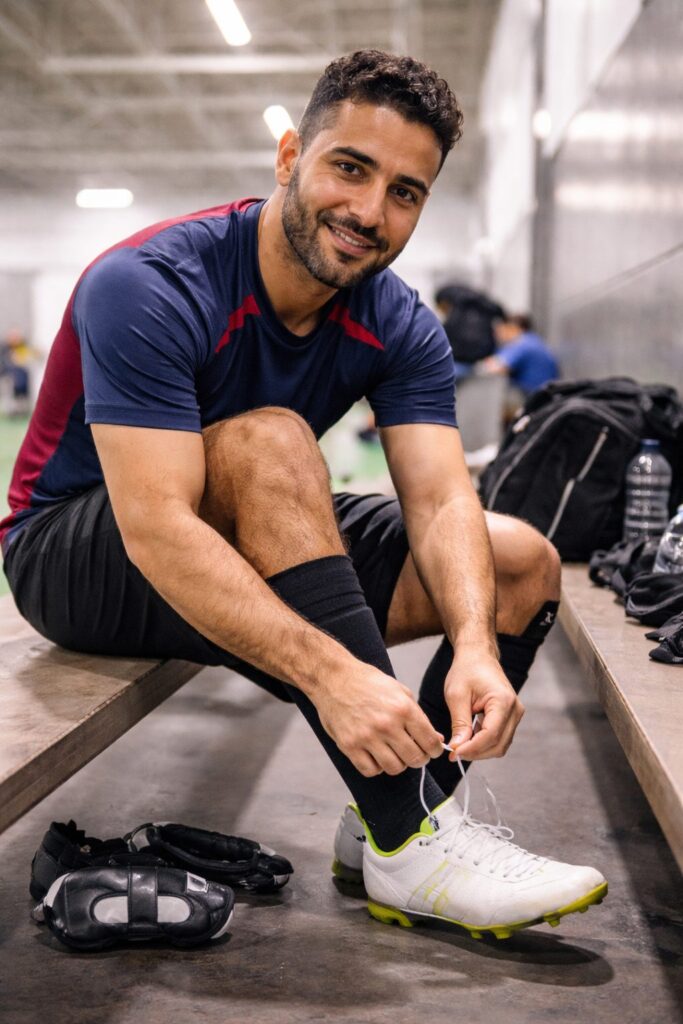
Frequently asked questions from sports fans on the Plateau-Mont-Royal
Can you see a physio and an osteo at the same time?
Yes, and it may even be a very good approach. But make sure your therapists work together, don’t put them in competition.
Your insurance only covers physio, right?
Not necessarily. Your health and your financial health count. If cost is an issue, opt for the specialty covered by your insurance.
How long do you have to wait before you see results?
It depends on a very large number of factors. However, if you see NO improvement after 3-4 sessions, reassess.
Physiotherapy benchmarks :
— Expect a noticeable improvement in a simple acute injury (e.g. sprain) within 2-4 weeks, and a return to sport within 6-12 weeks.
— Expect progressive rehabilitation of chronic tendinopathy (e.g. Achilles tendon pain) in 8-16 weeks.
— Depending on the type of surgery, consider the possibility of post-surgical recovery (e.g. anterior cruciate ligament reconstruction) in 3-12 months.
Osteopathic landmarks :
— You may get immediate relief after 1-2 sessions in some cases (e.g. difficulty in raising the arm completely).
— For chronic or complex problems (e.g. lower back pain), consider treatment at a rate of 4-6 sessions over 2-3 months.
— And if you’re taking a preventive approach, plan on 1 session every 4-8 weeks.
Summary
Choose your therapy according to your situation, not an ideology.
Although this article tries to give you some solid pointers, there is no universal answer to : “Osteopath or physiotherapist?”. It depends on your problem, your objectives and your context.
Closing remarks :
What you need to know to make the right choice
The physiotherapist treats the injury in a targeted way, with exercises and progressive rehabilitation. The osteopath, on the other hand, aims to find the source of the problem and its impact throughout the body.
Consult … if you need insurance coverage (e.g. CNESST, SAAQ), if you have a pelvic floor problem or if you have a concussion. Consult me if you have chronic pain with no clear cause, if your body is compensating for a problem or if you play a high-impact sport.
Between the two, it’s a grey area and, importantly, there’s complementarity. In some cases, you can get physiotherapy and osteopathy to work together .
Marie-Claude Dion, B.Sc., CAT(C), D.O.
Article written by Marie-Claude Dion, B.Sc., CAT(C), D.O. – certified athletic therapist since 2004 and osteopath member of Ostéopathie Québec since 2017. Former head therapist for Judo Canada at the Rio 2016 Olympic Games, Marie-Claude has accompanied top athletes at international competitions for over a decade(LinkedIn profile – Google Business listing and reviews).
This article was co-authored with Jimena Castaneda of Physio Théra Plus, to offer a balanced and honest perspective on our professions.